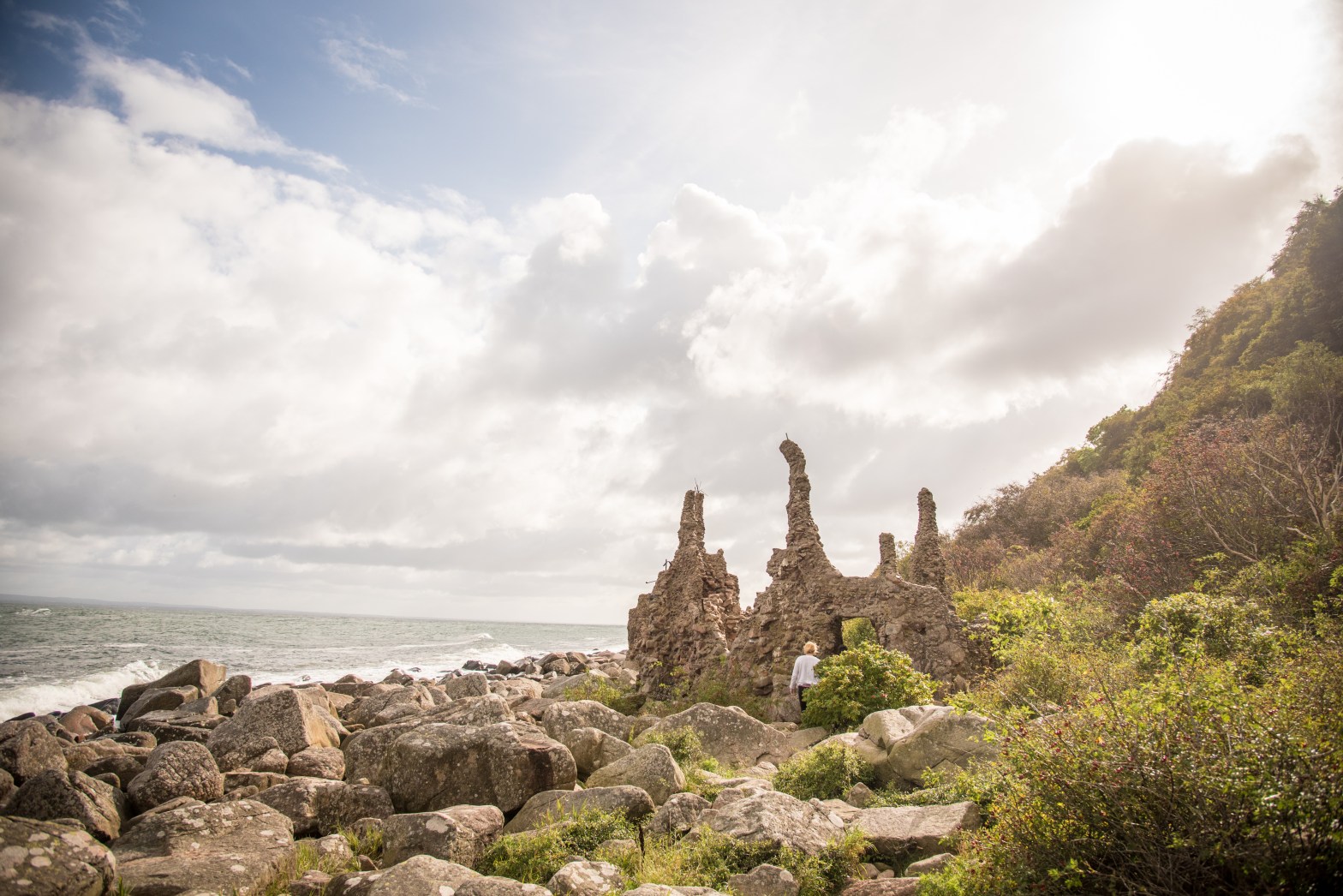
Have you ever heard of Ladonia, a micro-nation in Sweden made up of 20,000 online citizens from 50 countries? Their national anthem is the sound of a stone being thrown in the water, there are technically no residents within their physical boundaries, and the country just voted to install a prime minister! Ringing any bells? No?
Don’t feel bad. Up until last Saturday I had also never come across the ephemeral realm of this Swedish territory, but once I set foot in their sculptural terrain I couldn’t unsee the magic:
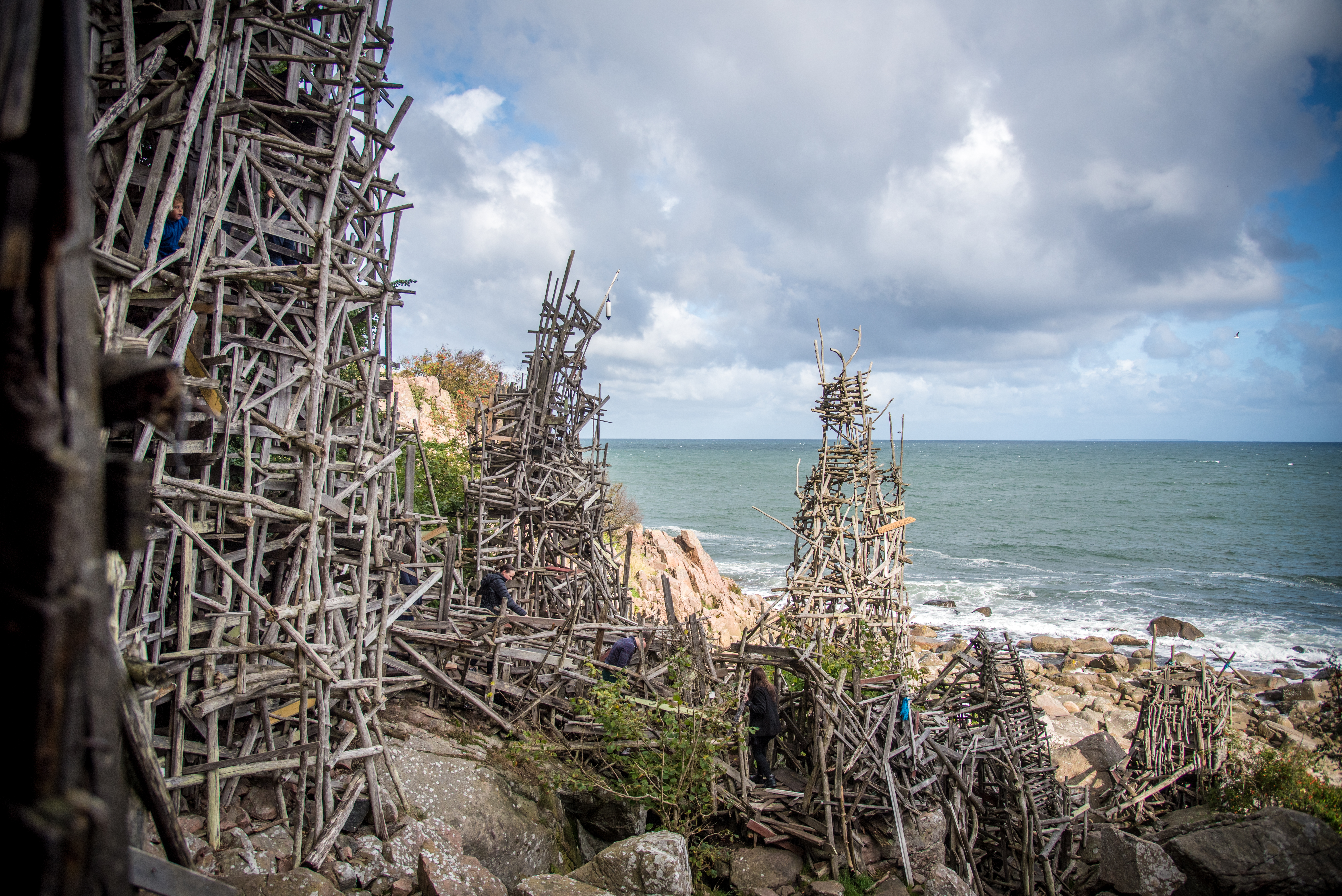
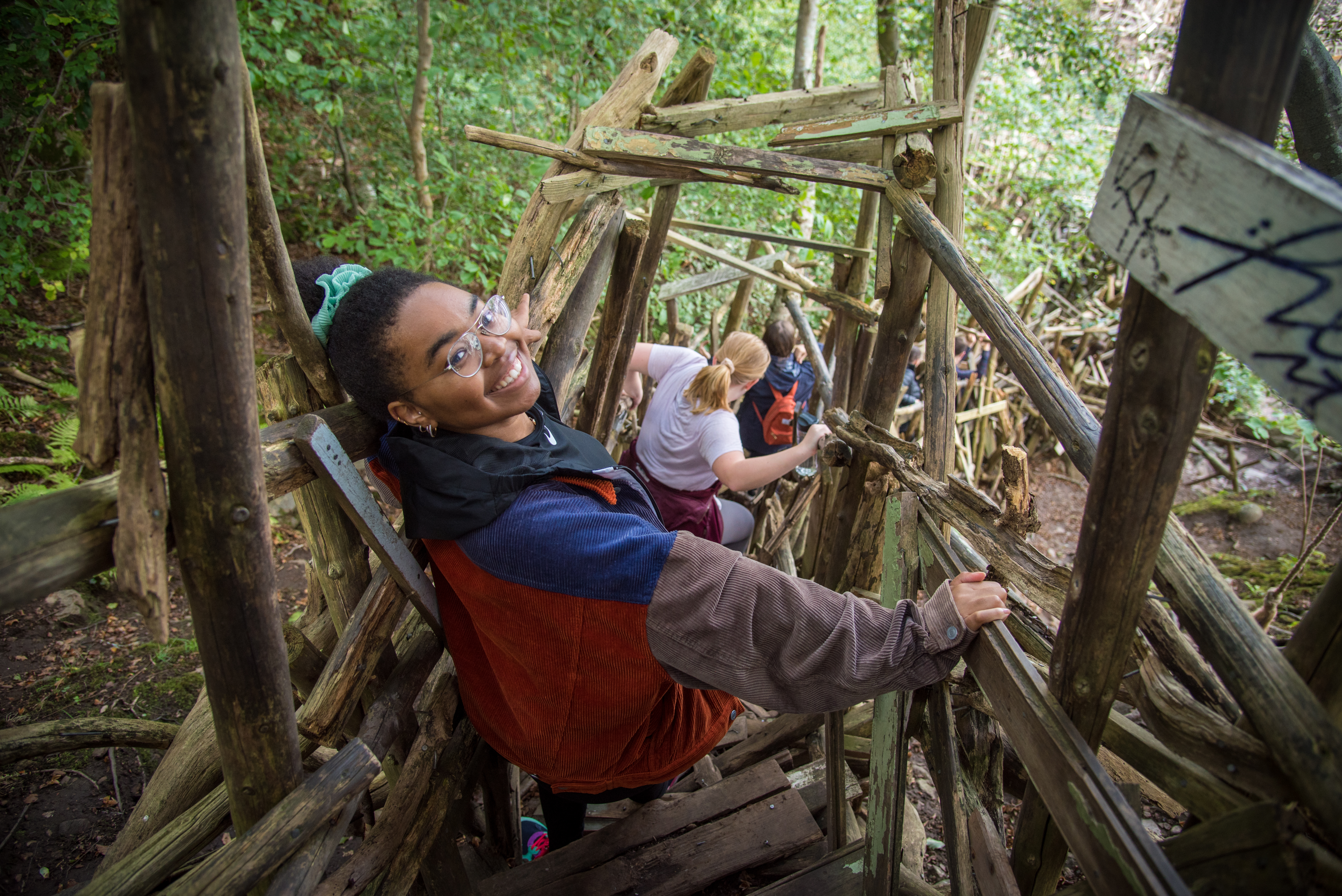
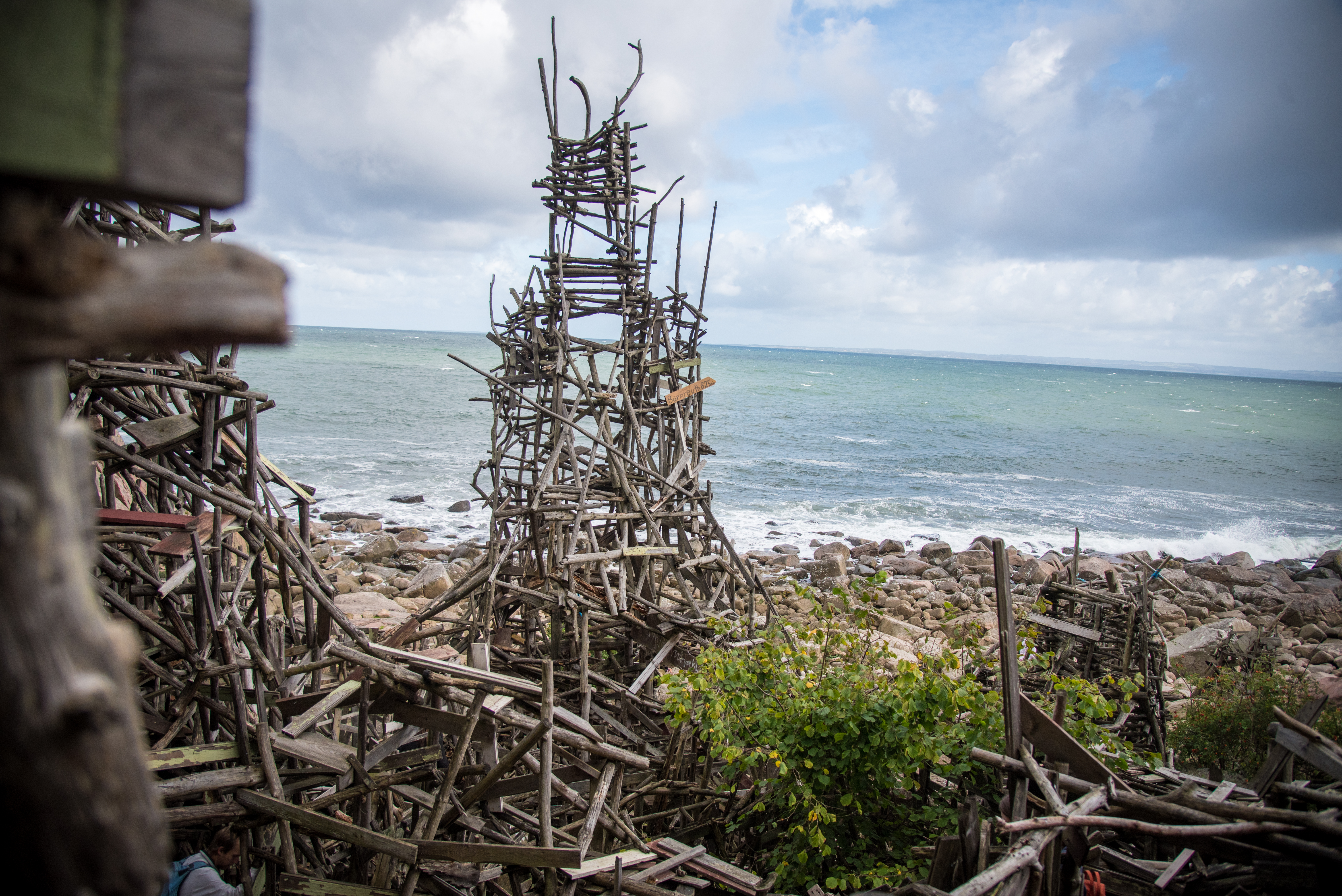
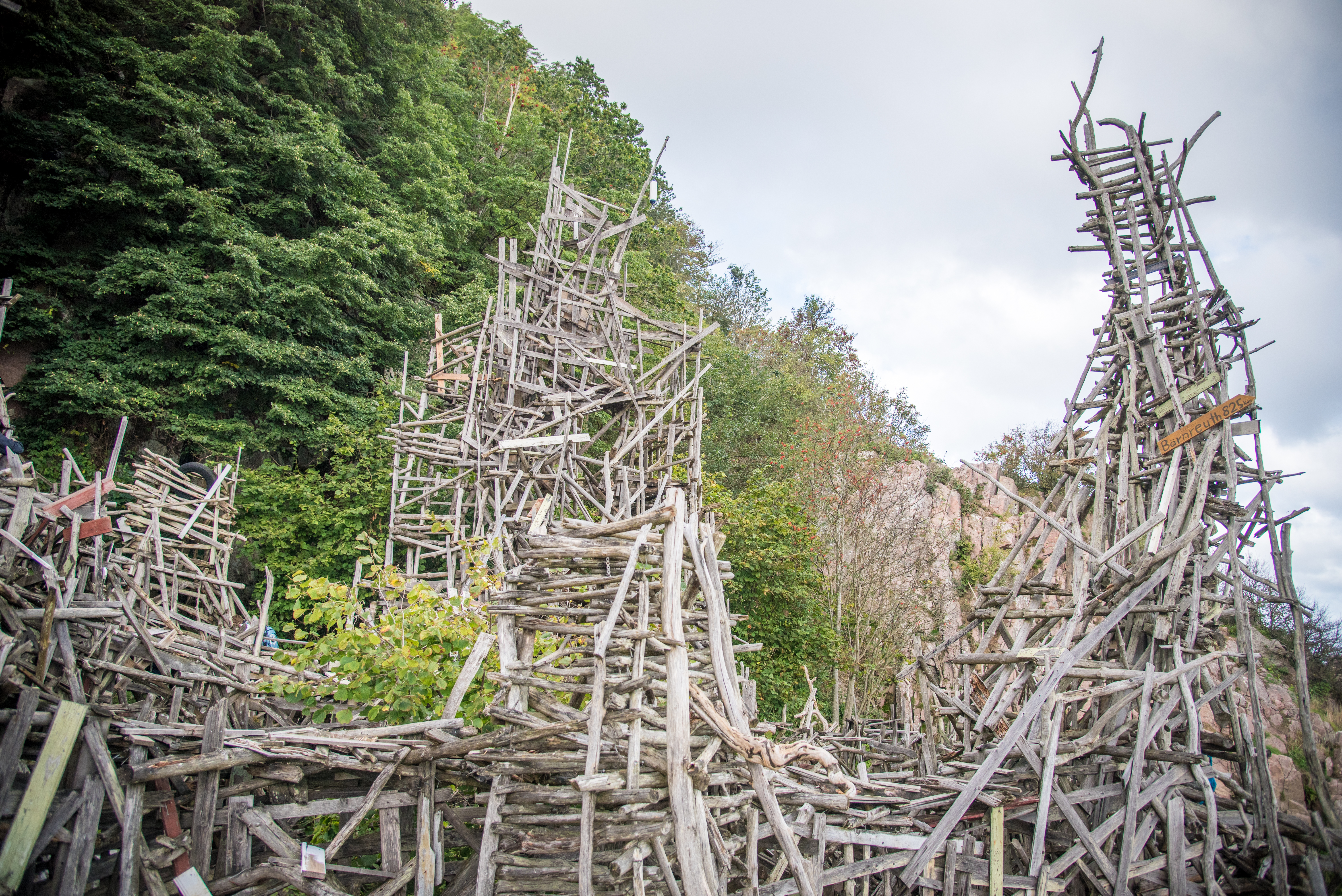
Welcome to Ladonia: situated in the natural reserve of Kullaberg in southern Sweden, the transitory micro-nation encapsulates the spindly sculpture Nimis (pictured above) by Lars Vilks in its boundaries.
Here is the backstory on Ladonia: Lars Vilks illegally erected this sculpture from 75 tonnes of driftwood on the Swedish natural reserve, and in an effort to preserve it from the Swedish government, he declared the surrounding area an independent country named Ladonia in 1996. Since then, this corner of Sweden has received a fair amount of attention from avant-guard artists, locals, and tourists, even inspiring a sculpture adjacent to Nimis titled Omphalos:
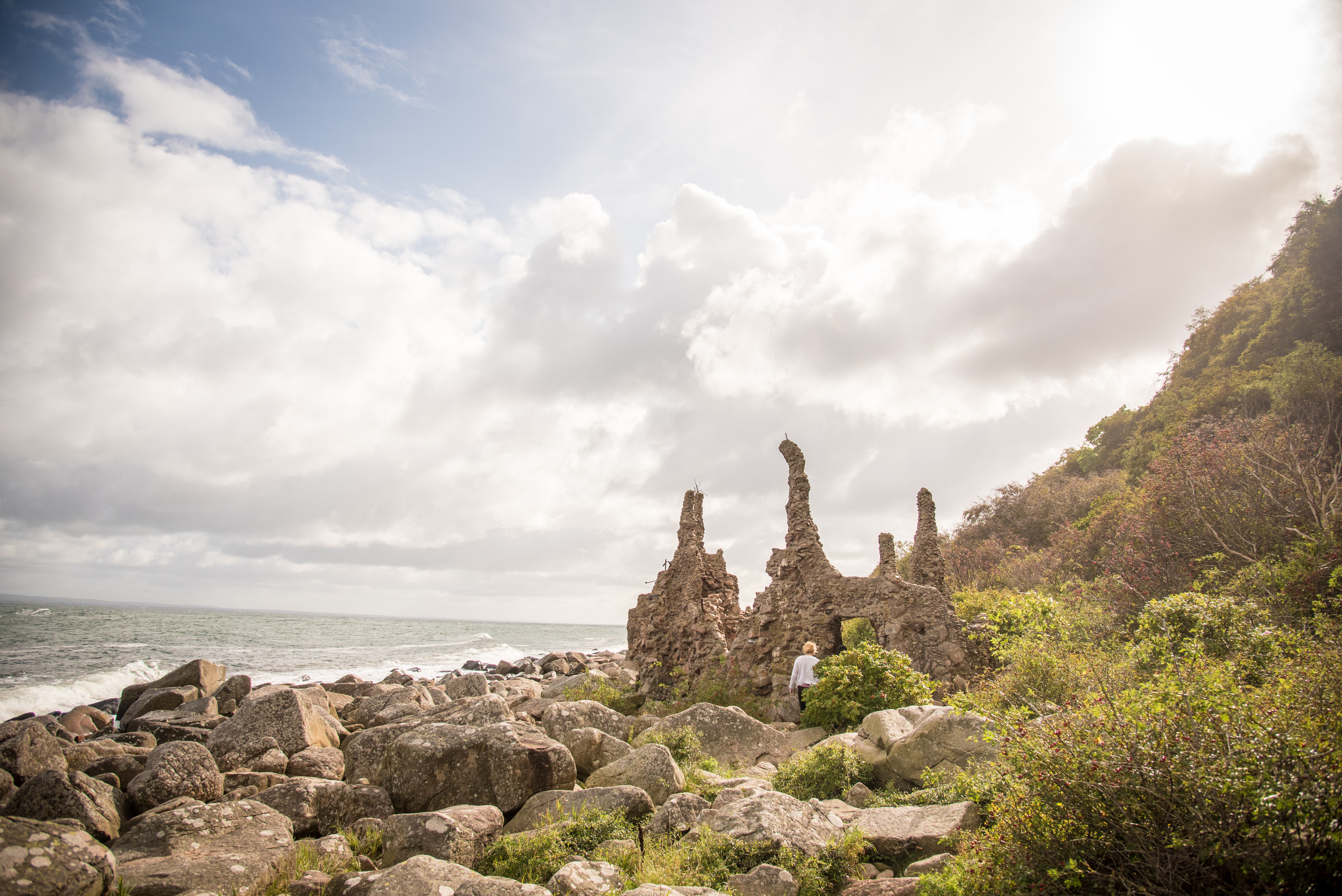
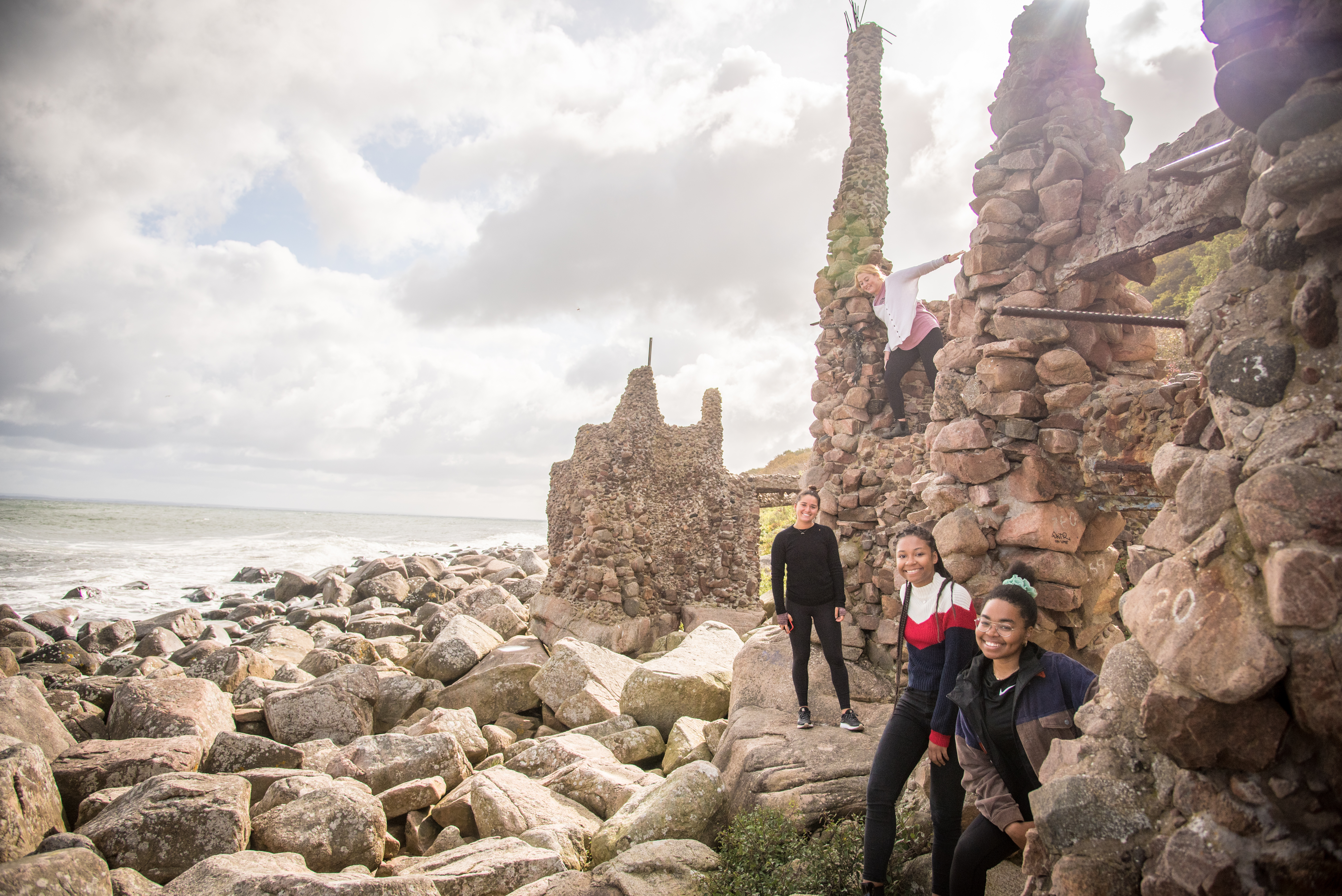
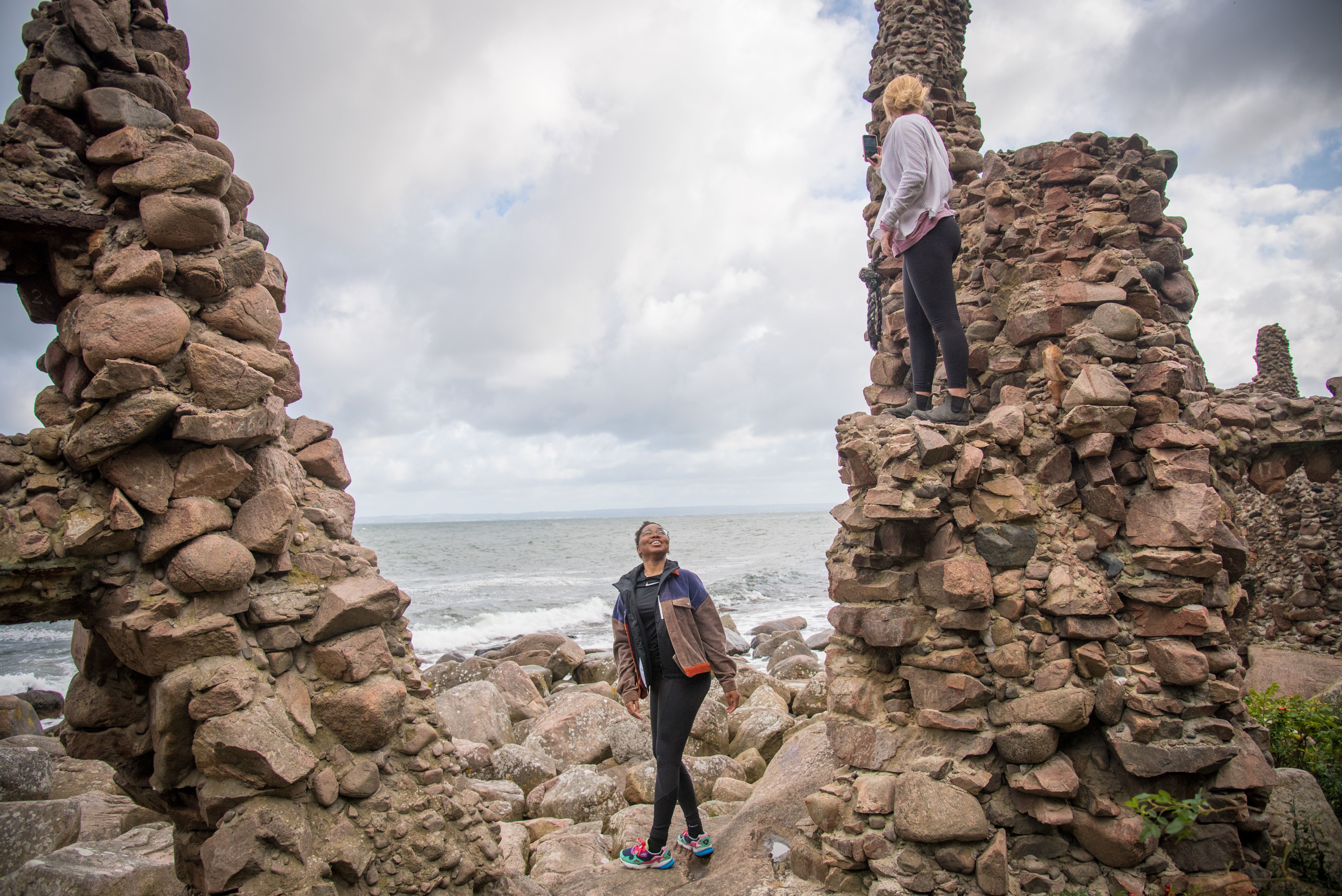
This intersection between communication and culture, between worshipped expression and heated debate, is why my classmates and I found ourselves in Ladonia on a Saturday morning in September. But I didn’t just explore Sweden with any class— Ladonia was the finishing touch on a long week of field trips, lectures, and activities arranged by something DIS calls my “core course”. Everyone at DIS is required to enroll in this core course, which is best explained as a predominant class (most of which are three credits, a select few are six) that relates to a student’s major at their home university. Each core course includes a week-long program stay tour to a European destination (I’ll be going to Ireland in a few weeks!) in October and a Core Course Week comprised of a two-day seminar in Copenhagen and a three-day short study tour in September. This blog post relates to the latter scenario; my core course, New Media and Changing Communities, explored Copenhagen on Monday and Tuesday and then hopped across the water to stay Sweden from Thursday to Saturday.
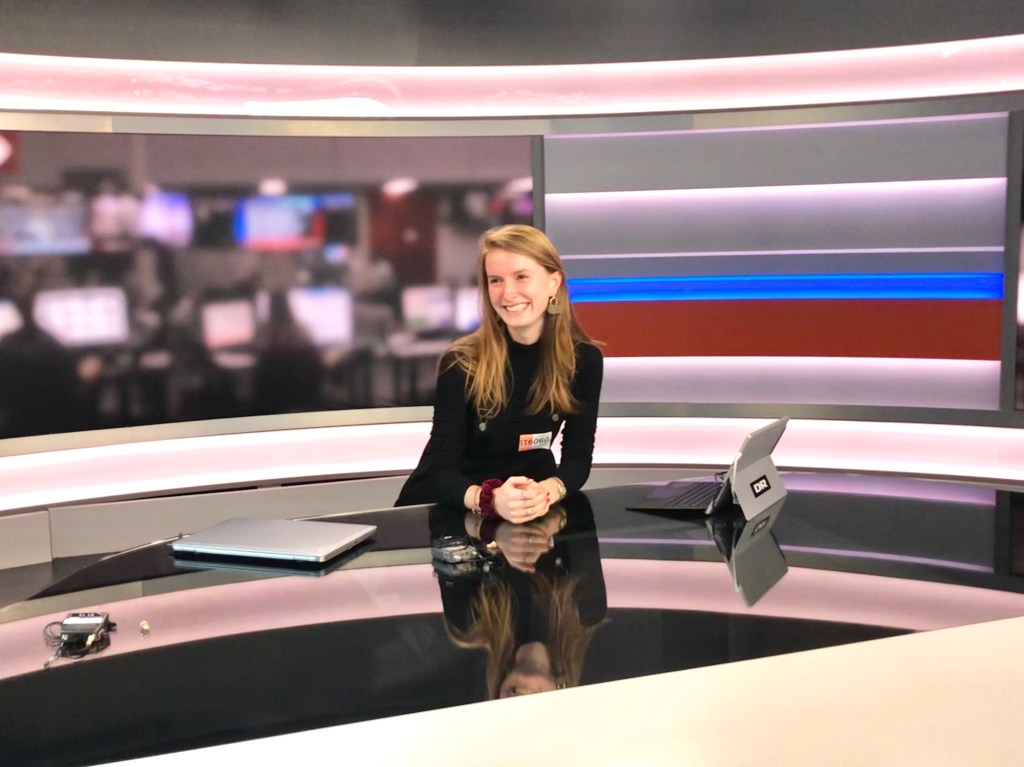
But I’ve gotten ahead of myself. Allow me to start my Core Course story where it all began: on a dreary Monday morning in the meatpacking district of Copenhagen. We were gathered there to experience startup culture first hand, specifically through the lends of a startup named Duuoo. Duuoo describes their product as “the performance review, reimagined” with “continuous performance development software for high performing, engaged teams.” Their company process was fascinating, but the working environment that Duuoo fostered was even more striking: large tables, natural light, and play spaces peppered the open floor plan of the workspace. The aesthetic produced a creative, receptive backdrop for Duuoo to operate in; a sort of “serious play” framework that inspired me to innovate and create right there on the spot. We left Duuoo all too soon and made our way to DR, the Danish Broadcasting Corporation also located in Copenhagen. On top of a guided tour of the facilities (including the backdrop for a TV show, news set, broadcasting room, and storage areas), we met with Sophie Bremer, a renounced Danish journalist who explained the fair, trustworthy relationship between the Danish public and DR’s journalism—a far cry from the fake news culture in the United States.
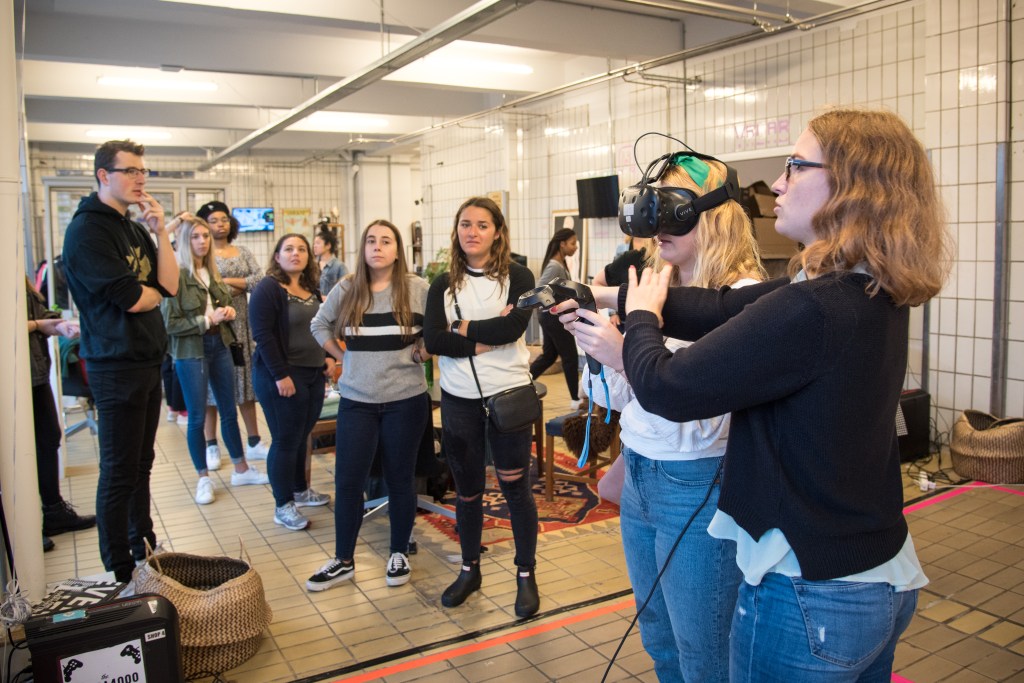
On Tuesday we met again in the rainy meatpacking district, but this time to visit Khora, a virtual reality studio. One of the stations offered a scary snake-infested environment, so of course I confidently put on the virtual reality mask, laughing at my other classmates who were unnerved by the “snakes”, only to find myself screaming and ripping off the mask only minutes later. The lifelike experience of virtual reality was truly shocking; I recoiled when a shark swam by in one station and felt my head spin when I jumped out of a skyscraper at another.
Later that afternoon we went to Aller, a Danish publishing company best known for their work with Elle magazine, Cafe Magazine, and Familie Journalen. Cecelia Boll, the digital strategist for Aller, discussed with surprising candor the uncertain future for the publishing industry, specifically within magazines. After her presentation she earnestly asked us (us!) what we thought the resolution was for publishing in the digital age. Sitting around the table with my sixteen other classmates discussing solutions, I suddenly felt as though I was in a board meeting with my colleagues. And perhaps the craziest part was how natural it all felt. Cecelia spoke to us as though we were informed professionals, and I found myself answering her questions with more confidence, creativity, and assertiveness than I thought possible.

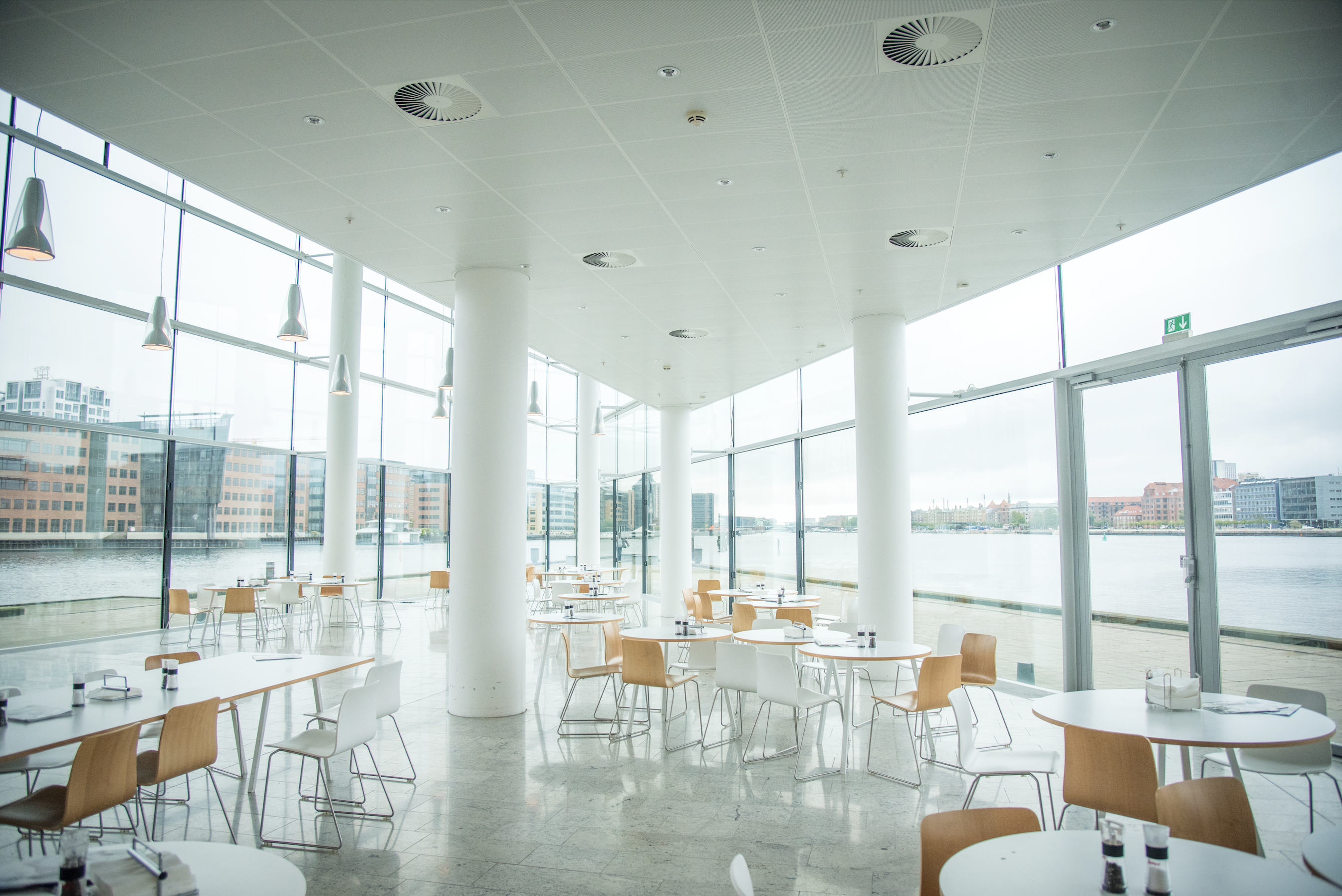
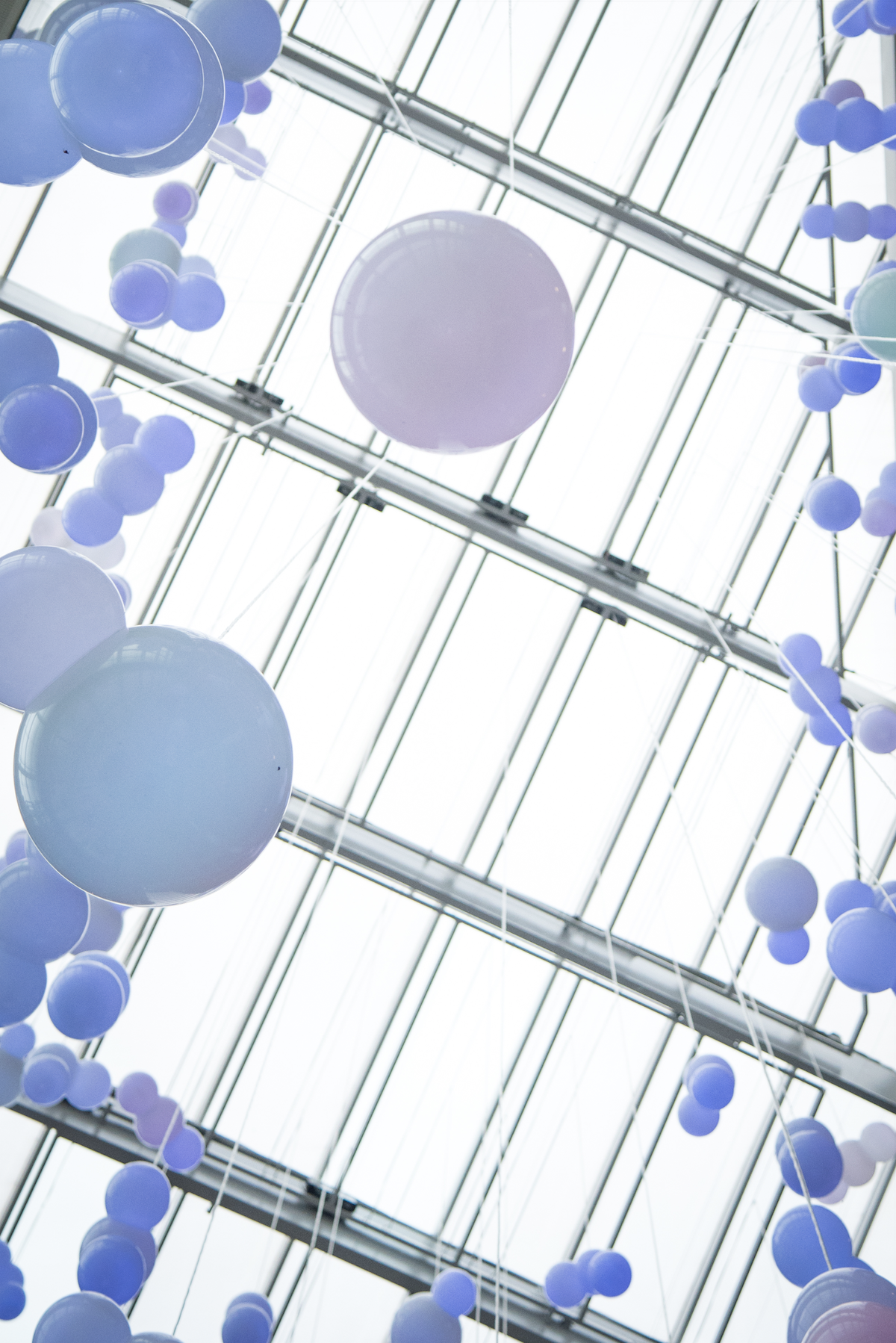
Aller’s physical foundation is just as creative as its production: the building is designed to resemble a ship in the harbor.
My class met on Thursday morning, fully rejuvenated after having Wednesday off to relax, ready to travel to Malmö, Sweden! We boarded the bus promptly at 8:30, and before we had time to get settled we were already in Malmö. I was shocked— the bus ride was literally shorter than my commute to the grocery store in the United States. Dorte, my wonderful professor, and Christina, Dorte’s right-hand woman, bought us coffee and prepared us for our first Swedish visit: Sydsvenskan, the local newspaper in Malmö. Heidi Avellan, the editor of the opinion section, discussed problems facing Sydsvenskan that were strikingly similar to that of Aller. In short, the immediacy of the digital age and the devastating affect it has on the publishing industry is impossible to ignore, especially considering the future. Less and less people between 18 and 34 are spending money on physical newspapers and magazines, but companies are struggling to make a profit online.
We brainstormed with Avellan, talked to other journalists about online strategies, and took a tour of the rest of the news space. Malmö is an especially interesting city to explore through the lens of digital media because it has taken in a record amount of immigrants and refugees, making it the most diverse city in Scandinavia.
Later that afternoon we attended a lecture at Malmö University regarding the effects of the Syrian refugee crisis on digital culture and humanitarianism in media. After leaving the lecture we all agreed how relevant each field trip had been this week— my core course covers a wide range of topics (New Media could be applied to almost anything), but everyone’s diverse interests had been incorporated into the visits in one way or another.
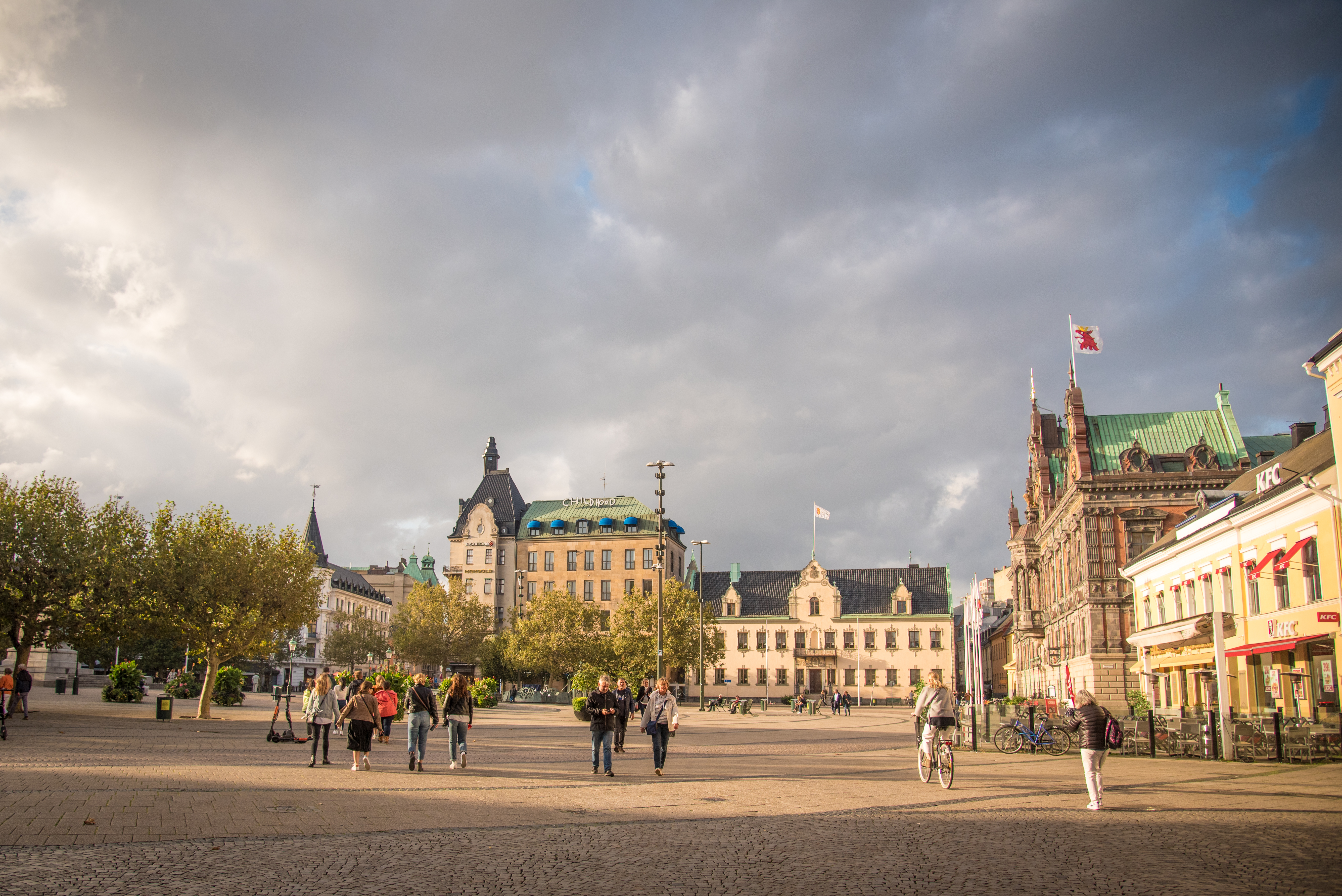
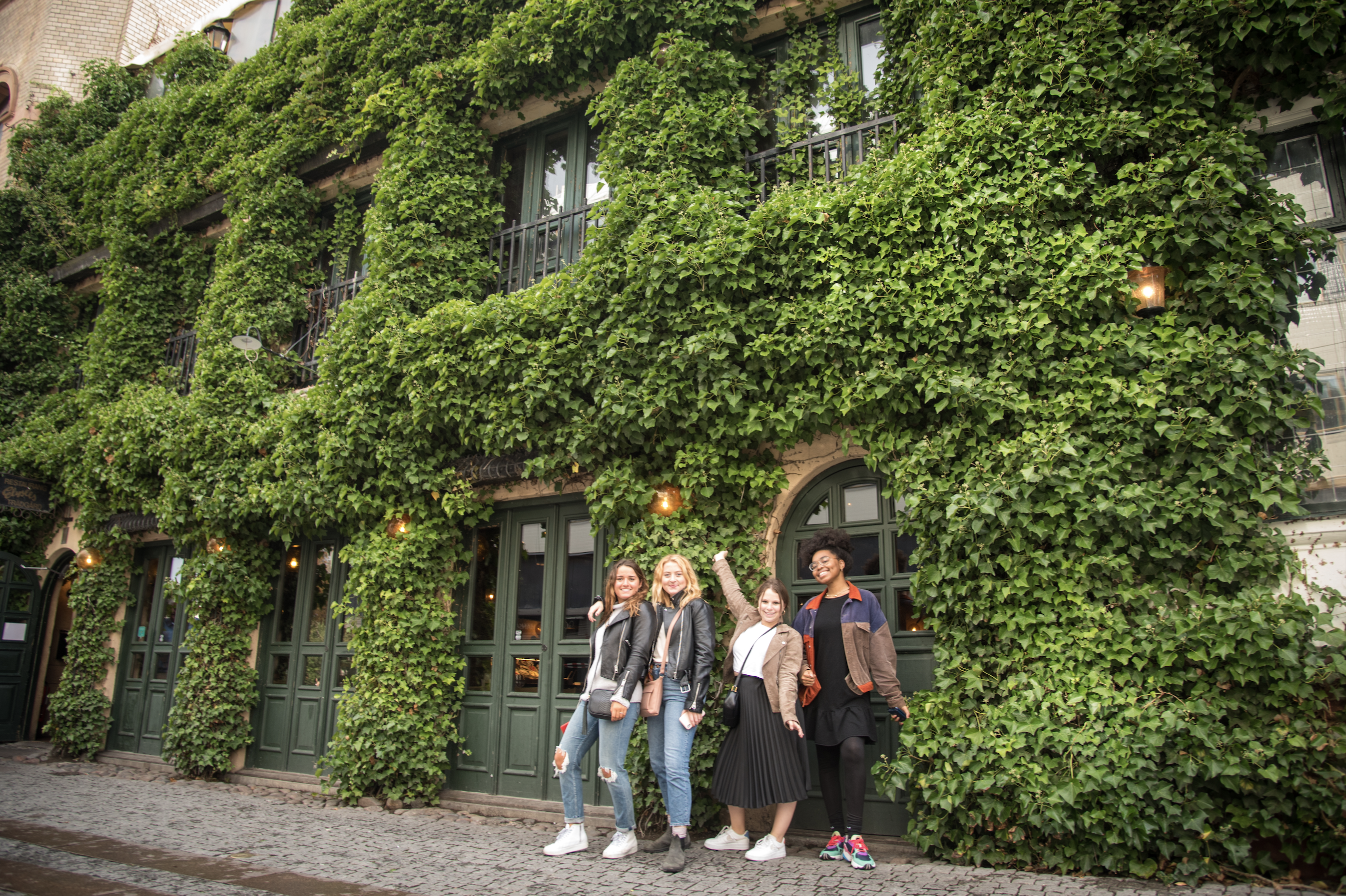
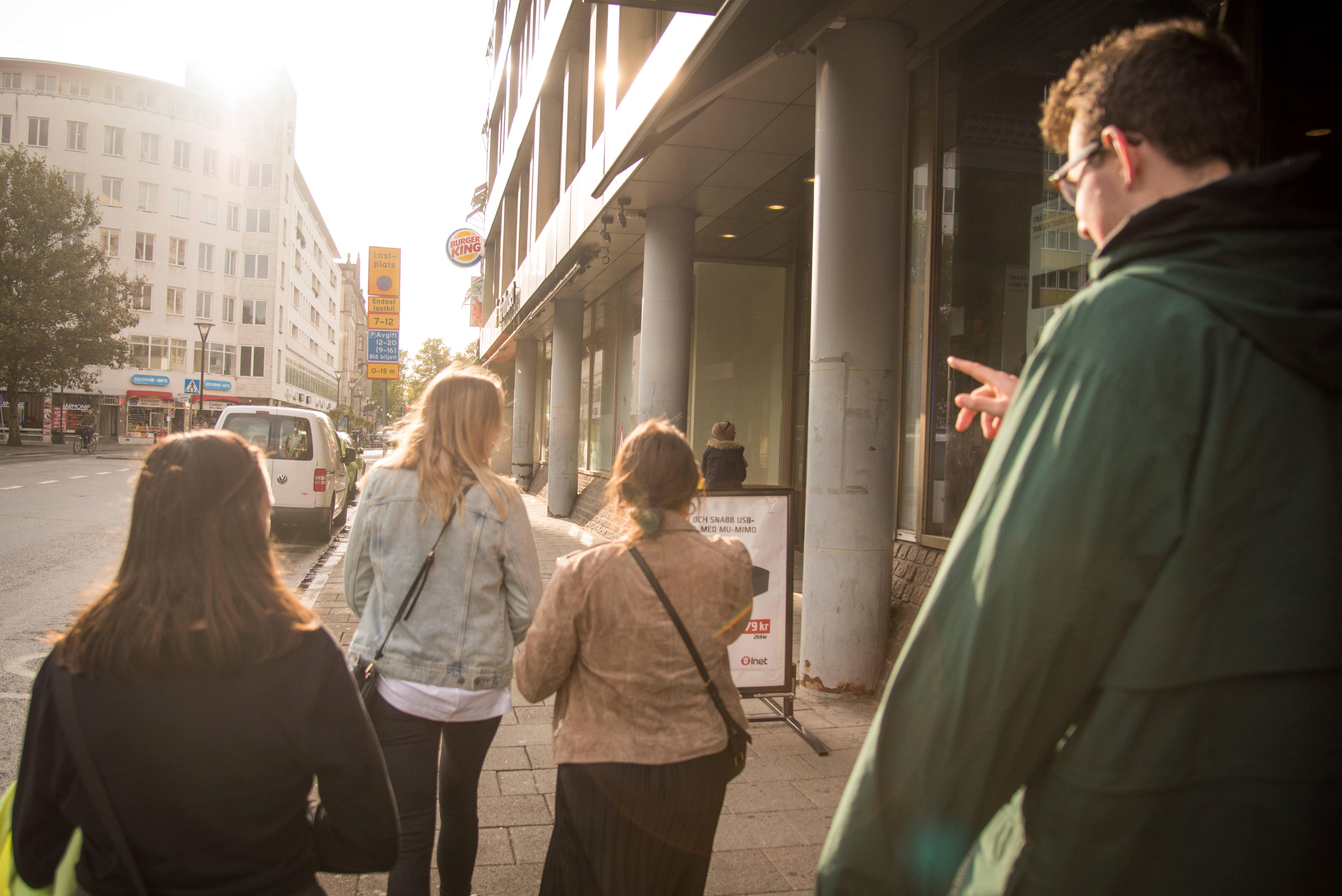
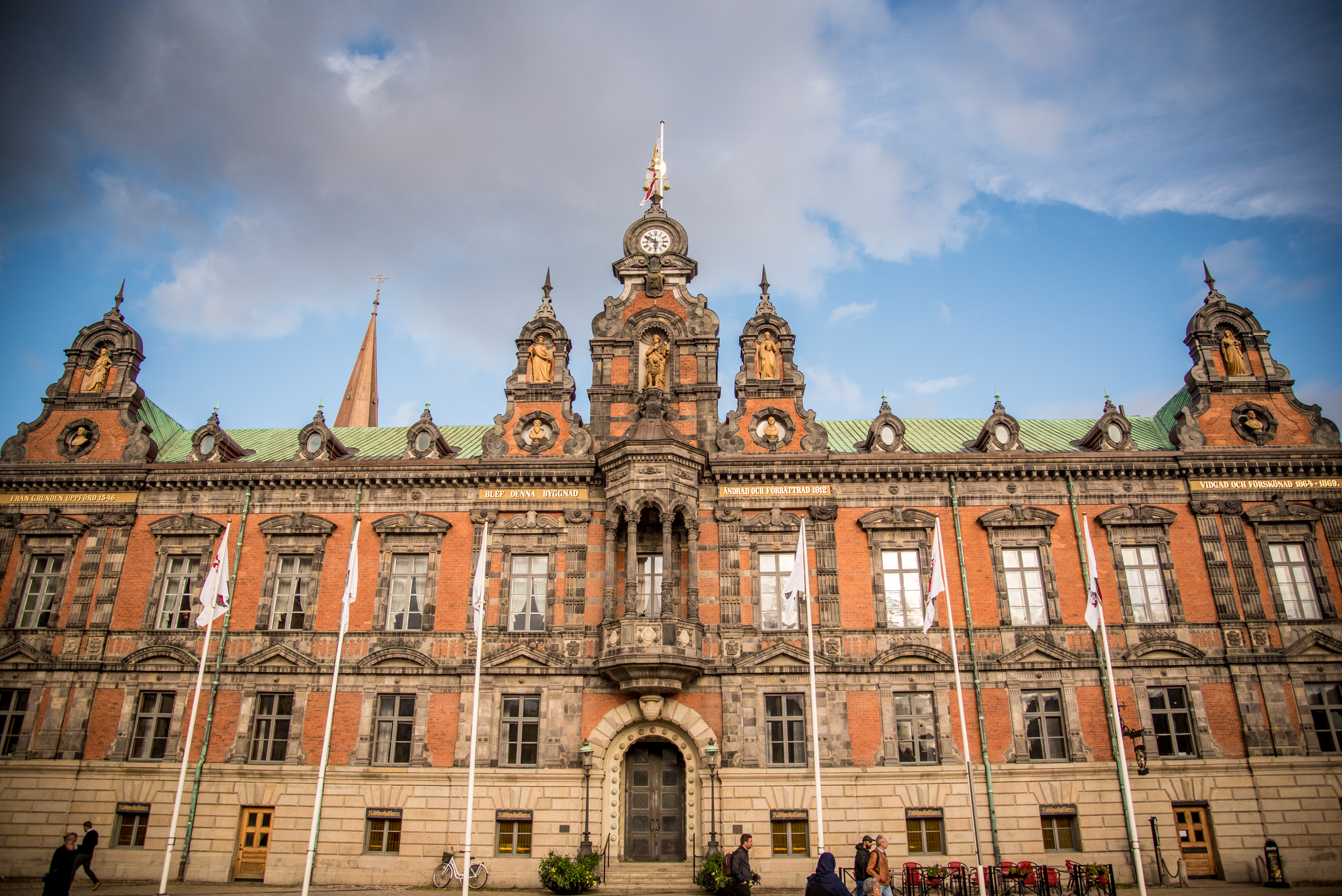
After a long day of travel and learning, we explored the sunny streets of Malmö.
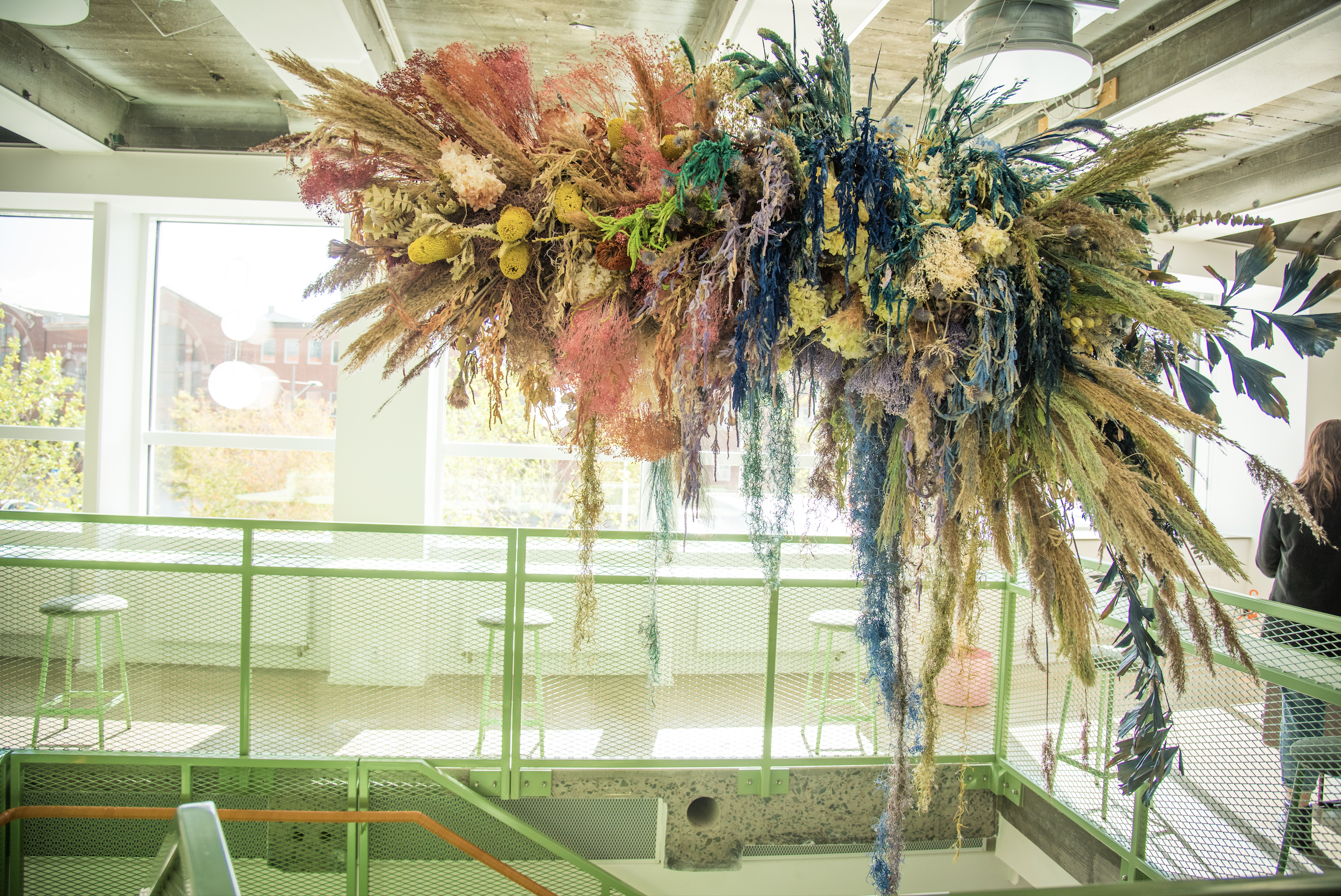
On Friday morning we started the day at Media Evolution City, a co-working space dedicated to collaboration and innovation in media companies. Again, we were floored by the aesthetic and attention to detail:
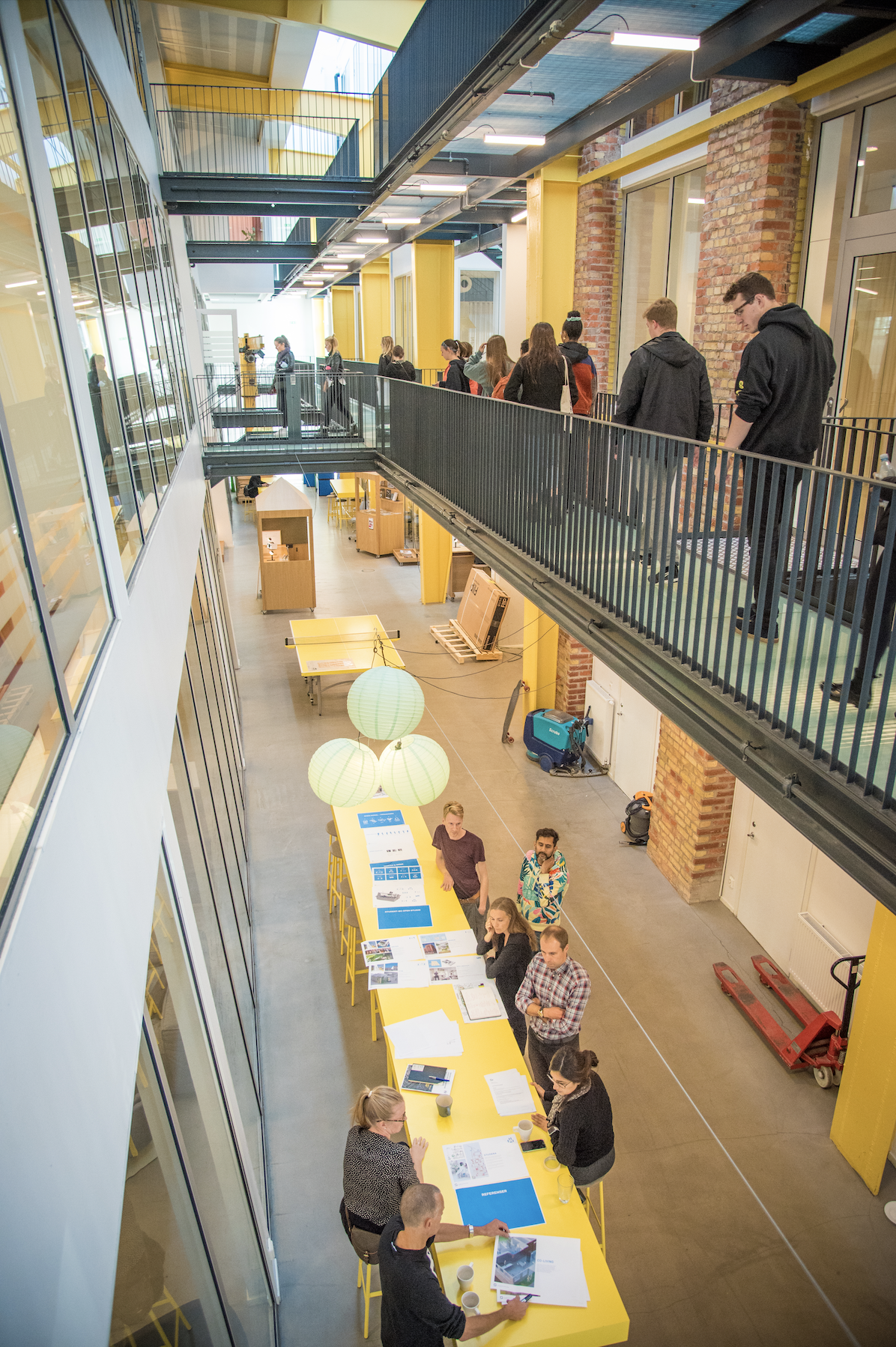
Our tour guide described how much they wanted people to feel comfortable in the space; they even did an experiment where they left a candy wrapper on the ground to see how long it would take someone to pick up. “We want people to feel at home here, so if there’s a candy wrapper on the ground, they should pick it up. We want to emphasize that this is a shared space for innovation, responsibility, and creativity.” For the record, someone did pick up the wrapper!
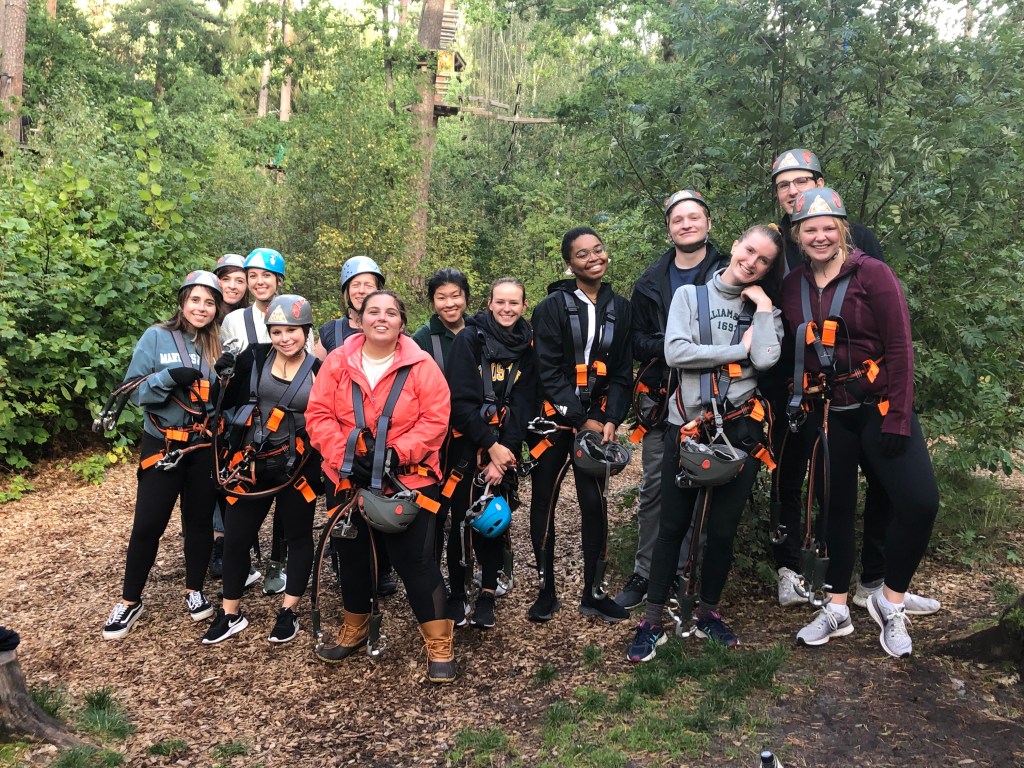
We left Malmö that afternoon and set off for Helsingborg where we put our skills to the test… in the form of zip lining! Each core course puts in effort to take students out of the academic setting and immerse them in culture (or in my case, “immersing in culture” meant free-falling from a tree twenty feet above the ground while zip-lining employees yelled instructions to me in Swedish). What a rush!
Later that evening we took to the streets of Helsingborg to see what Sweden had to offer, only to literally strike gold: we found an outdoor bar with a band playing classic songs (in English). When we sat down we realized that everyone in the bar was playing against each other to guess the most songs (or at least we think, the sheet of paper was all in Swedish). If it was indeed a game, our table would have won by a landslide— we shrieked the lyrics to Queen, Abba, and Van Morrison until our faces were numb.
On Saturday we woke up and hiked to Ladonia, the online nation I described in the beginning of this post. We’re all caught up, and even after writing it all down, I still struggle to believe that my class was able to accomplish this much in just a five day period. If anything, this week speaks to the unparalleled engagement and excitement in DIS, both on behalf of the students and faculty. Through the field trips and tours I learned more than ever had in a class, felt more sure of myself than I ever had in a lecture, and left feeling intensely inspired to embrace New Media as my career of choice. I never would have had this opportunity in the United States, much less in the collaborative, aesthetic environment of Danish and Swedish design. I can’t wait to see what my class accomplishes in our long study tour in Dublin in just a few weeks!
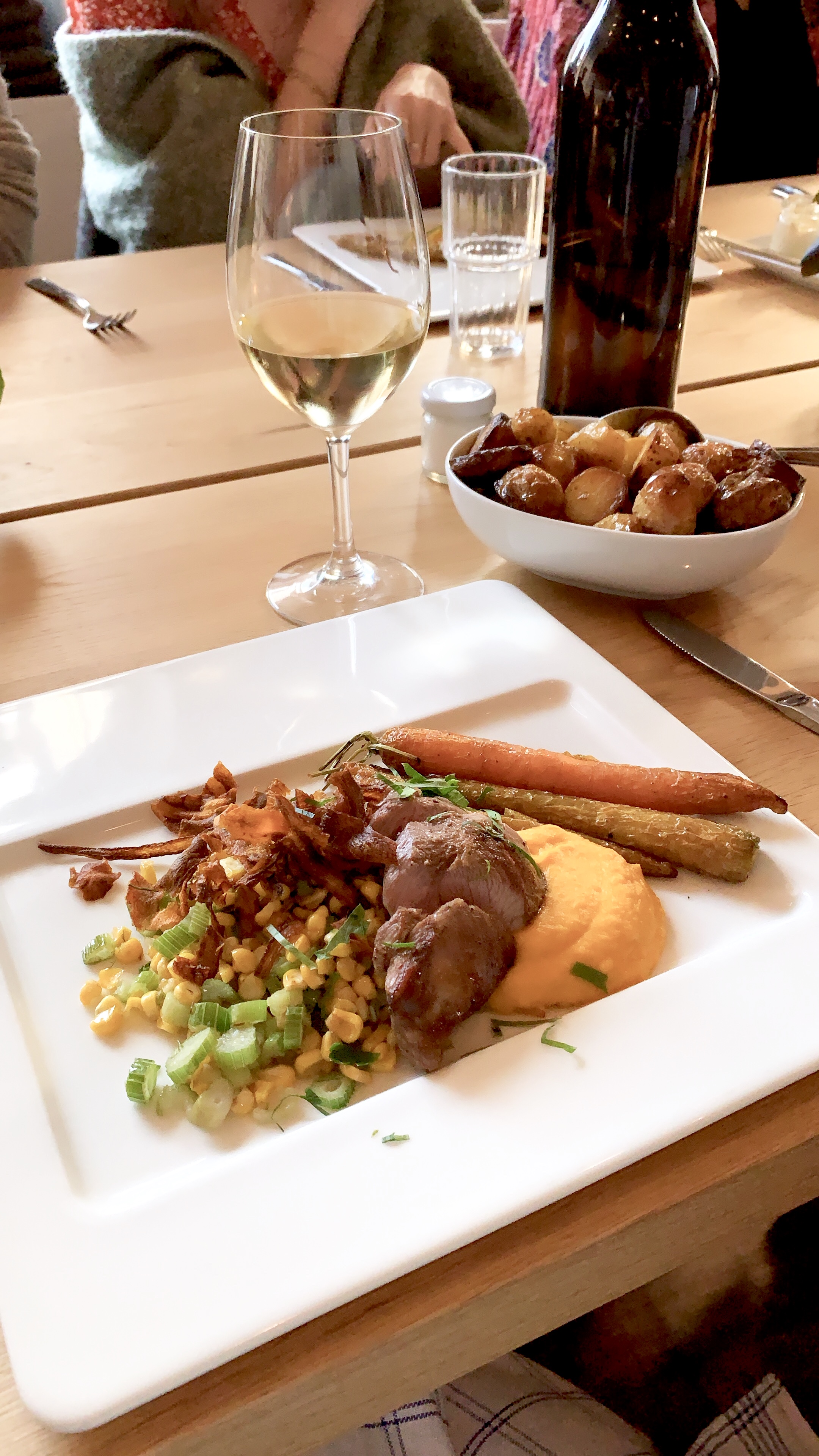
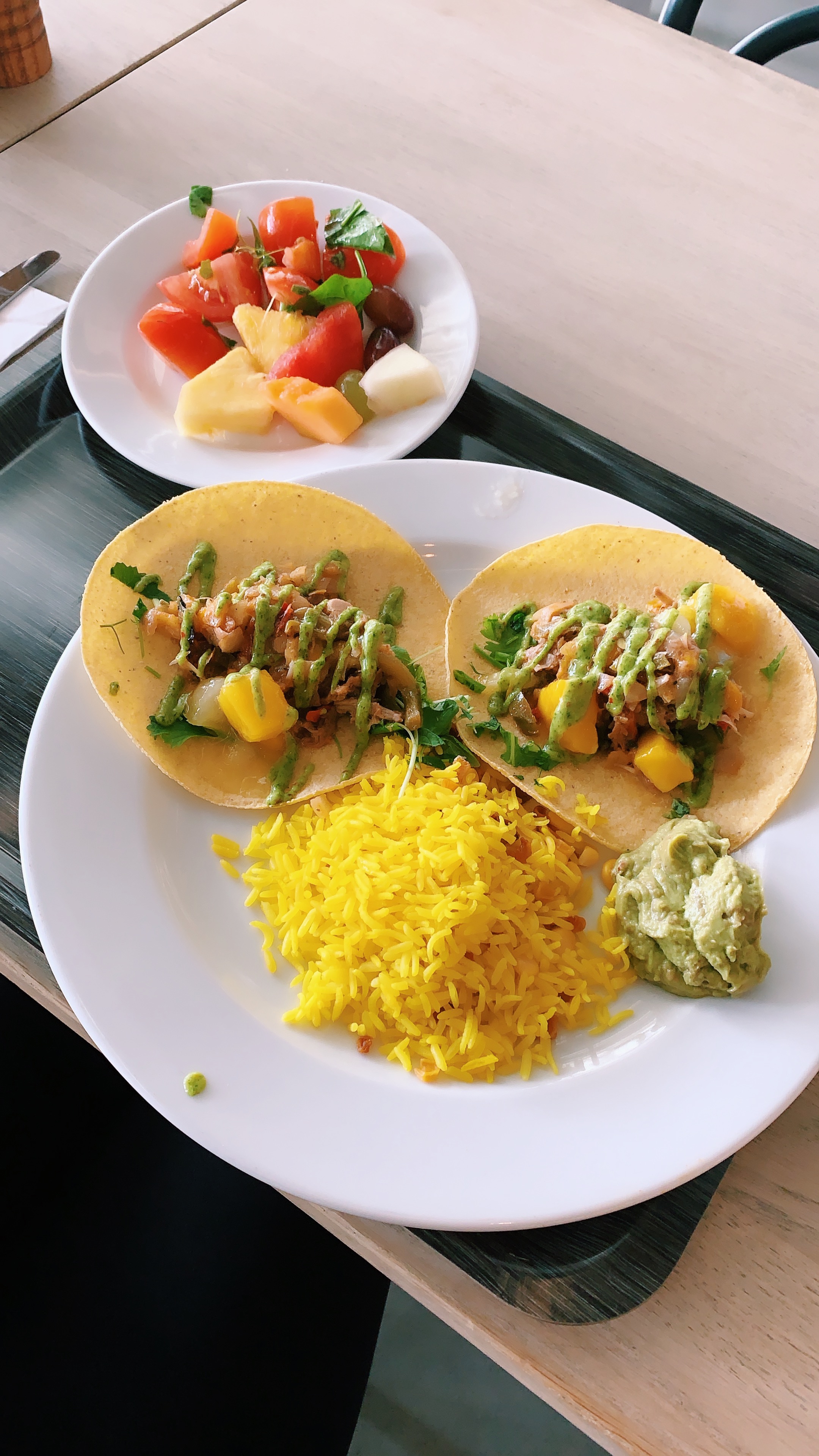
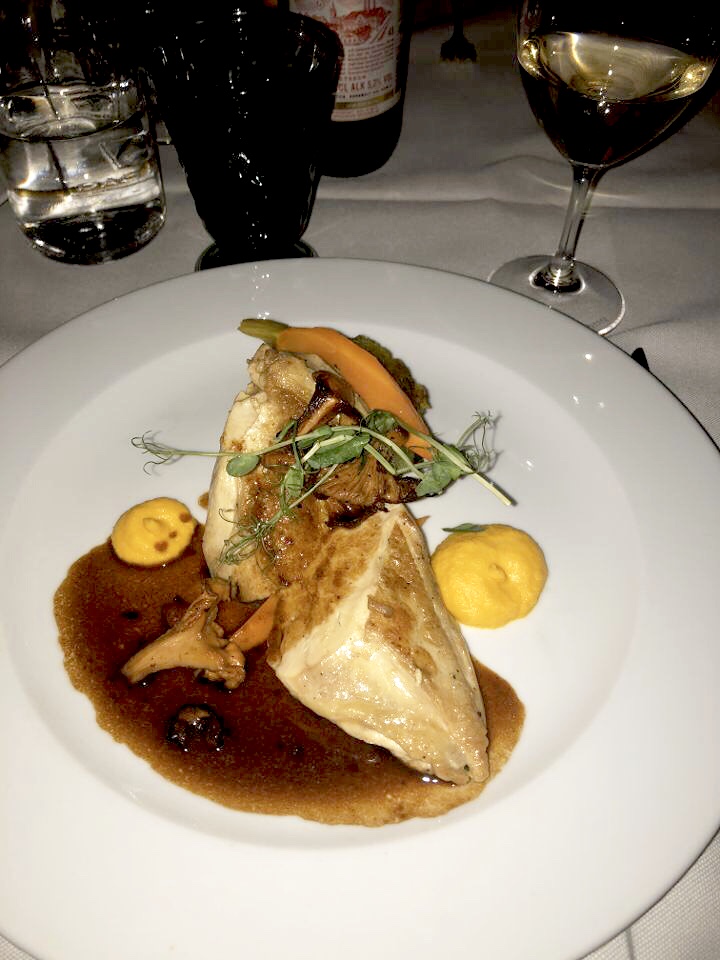
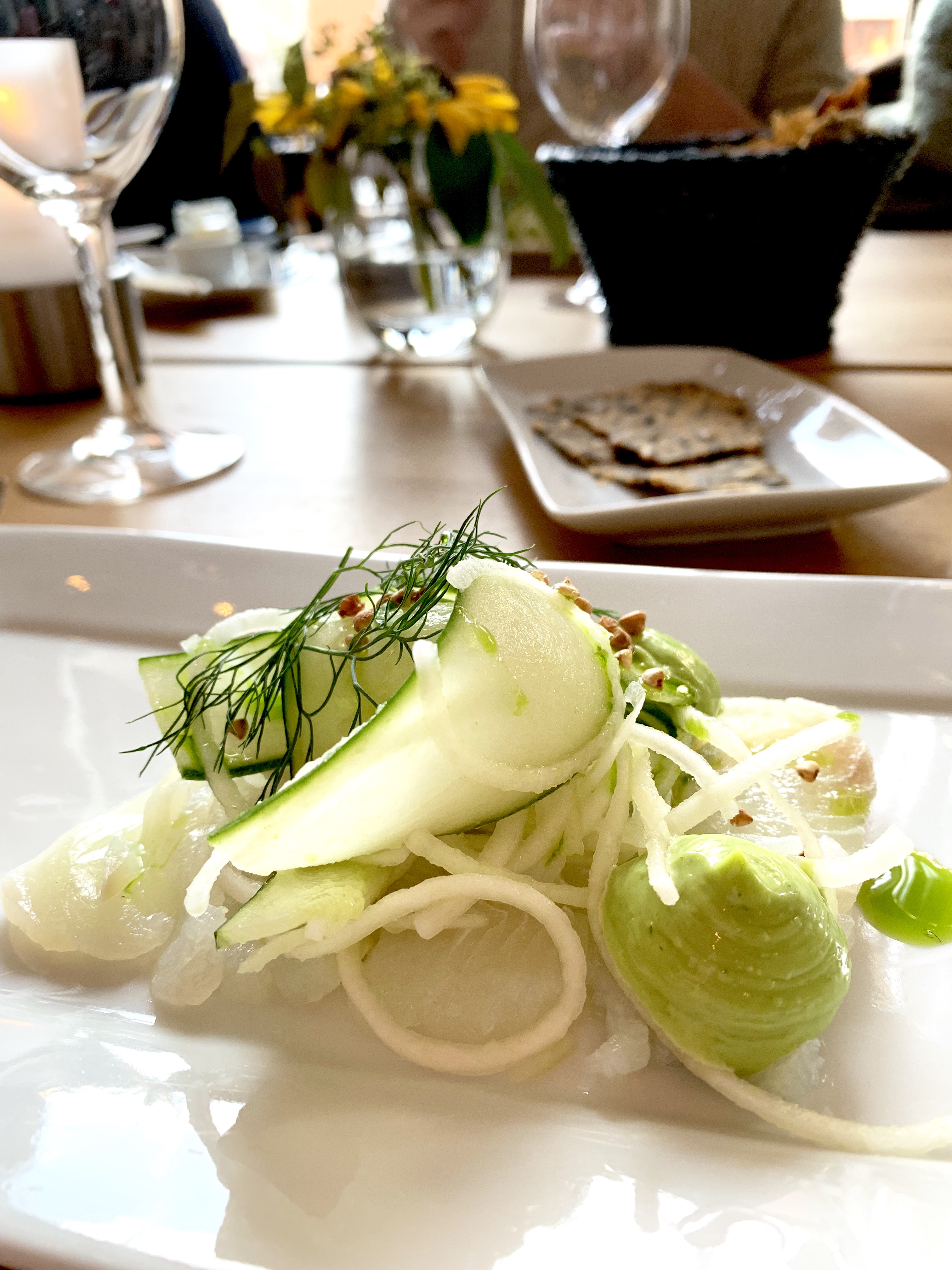
Of course, no tour is complete without some seriously incredible eats. I could write an entire blog post about the delicious food I consumed with my class in Sweden, but I’ll allow the pictures to speak for themselves. My taste buds will never be the same!
 240 Days in Denmark
One thought on “Visiting an Online Nation and Free-falling in Sweden: Core Course Week 1”