I’ve been in Copenhagen for four days now, and the luster of the everyday is hardly wearing off. My steady love for anything and everything that this city has thrown at me has forced me to diagnose myself with Rose-Colored-Copenhagen syndrome— allow me to explain: during my first day here, I asked my danish flatmate, Sofie, where the trash was in the apartment, and once she showed me, I cheerfully exclaimed “oh, how fun!”. Later that day, she showed me the dumpster and I involuntarily blurted out the same sentiment (In this case the dumpster was interesting because there were also large bins for recycling, but still!). In no way, shape, or form does trash placement ever warrant that much excitement, but in the moment even the most mundane activity felt thrilling and so perfectly danish.
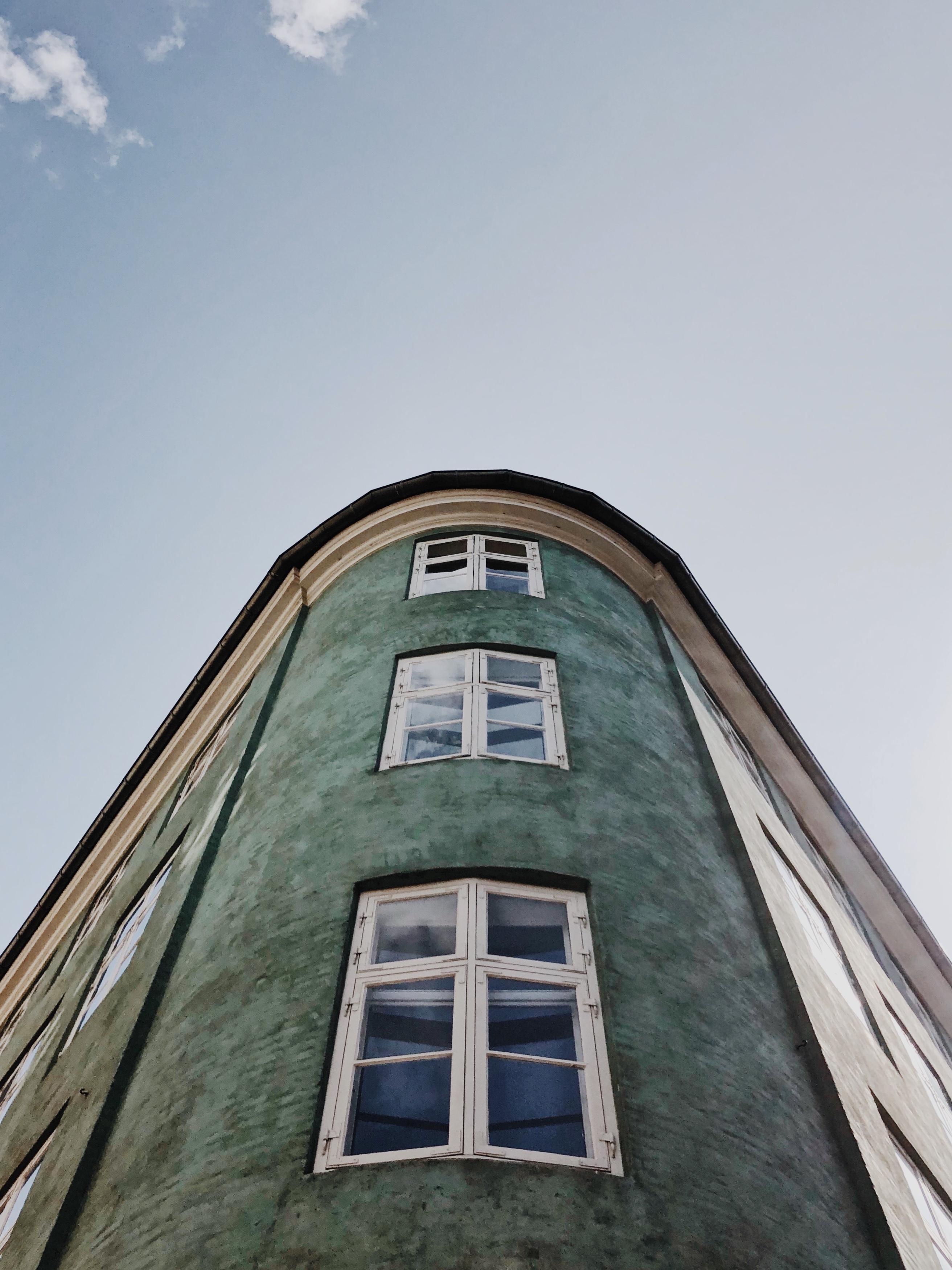
Outside of the flat I have been consistently star-struck with every detail of this city, from the colorful facades of the Nyhavn canal to the warm glow of the seven-eleven sign on my street. My friends and I have found time to explore everyday, but it has proven difficult with me because at every corner I find a reason to stop, break out the camera, and jot a note down in my phone. Some details are more noteworthy than others, but over the past few days I’ve made an effort to focus my attention on the structural character of the city; it almost feels as though there’s a new color around every corner and if I don’t capture it in some way it will slip right through my fingers. So, behold the Buildings of Copenhagen: each with their own flare and spirit, each with a special place in my heart.
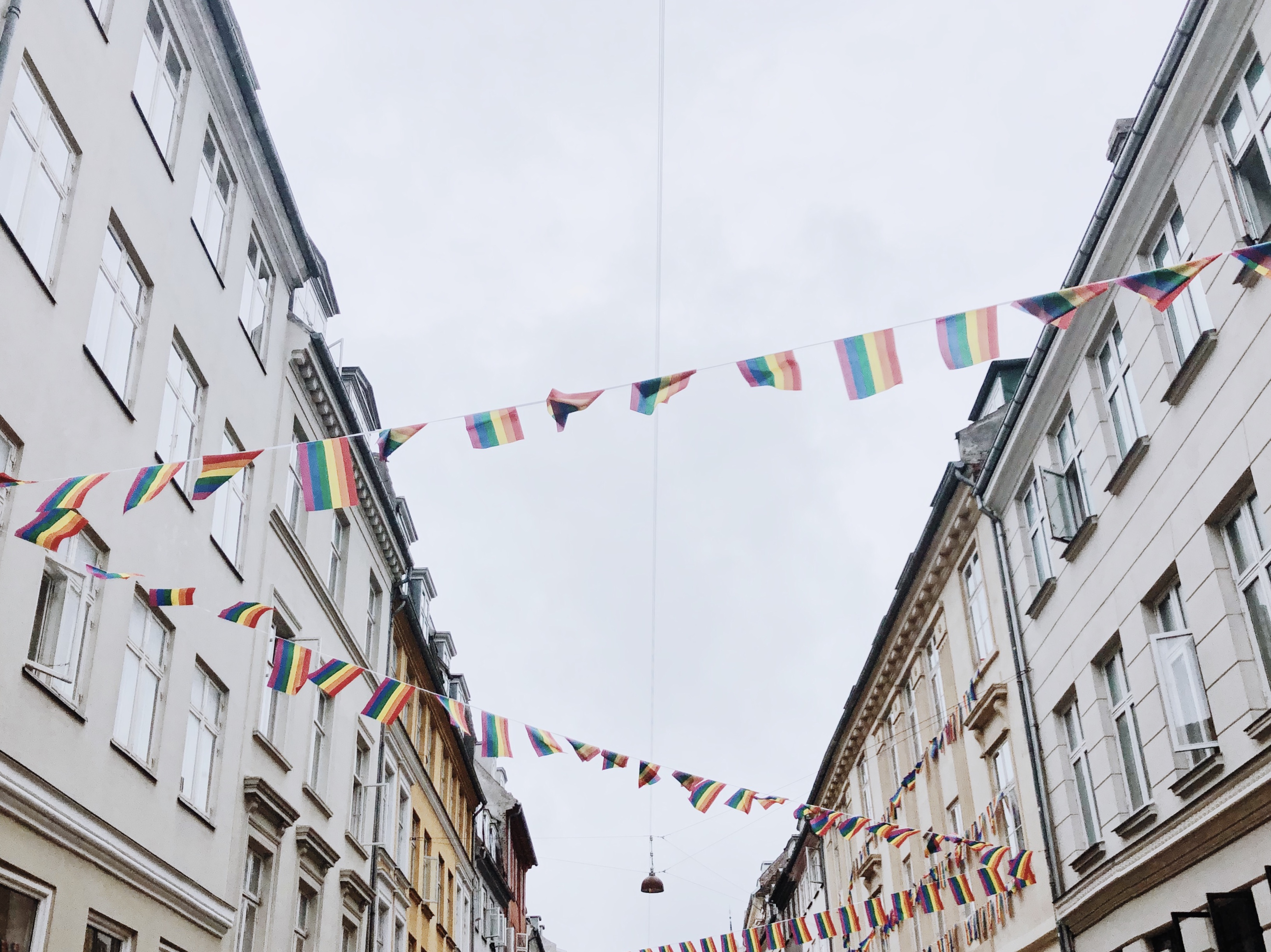
All DIS students arrived during Copenhagen’s pride week, making our initial exploration of the city all the more vibrant and celebratory, especially in the city center. I couldn’t have asked for a more colorful welcome!
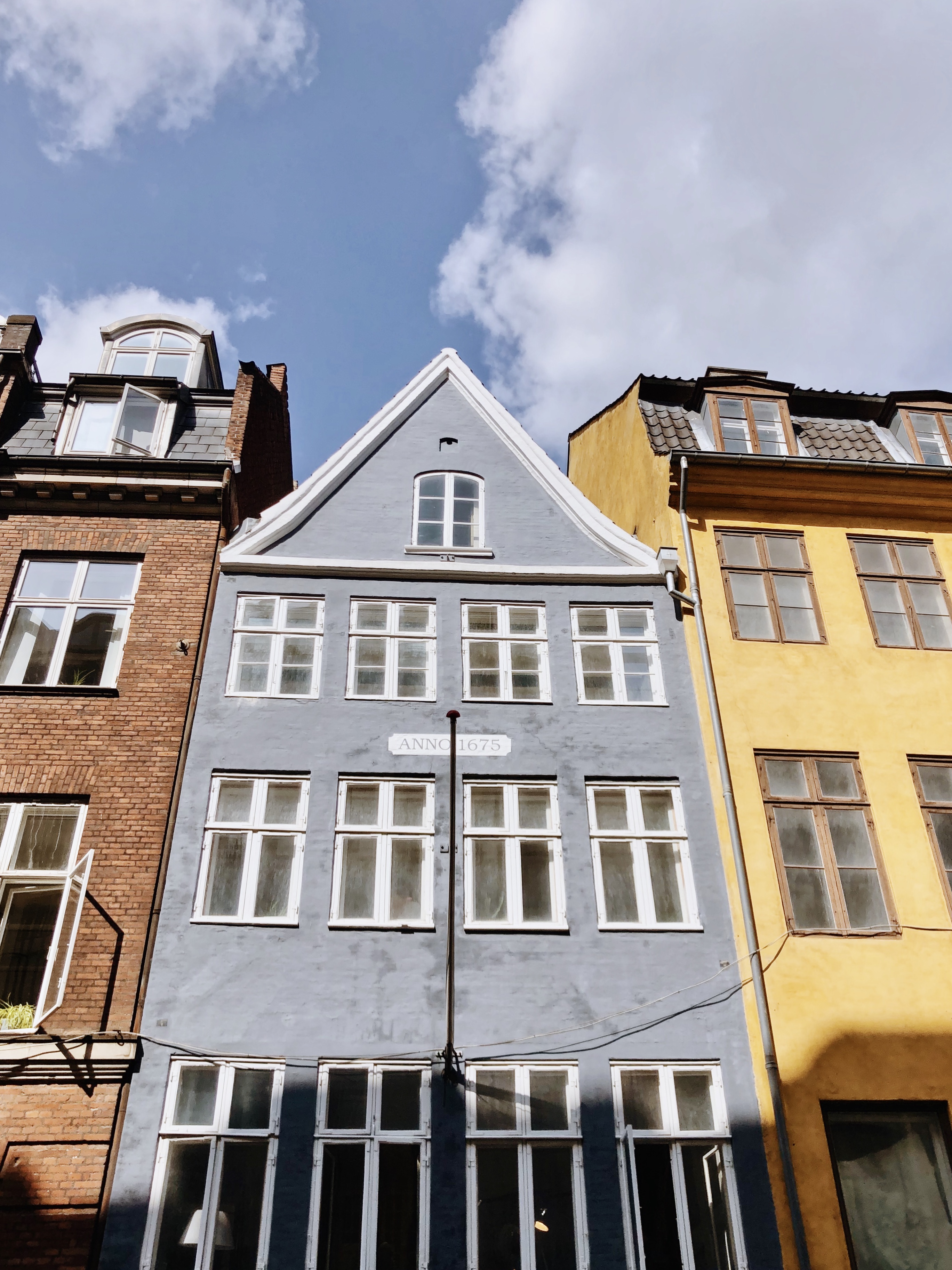
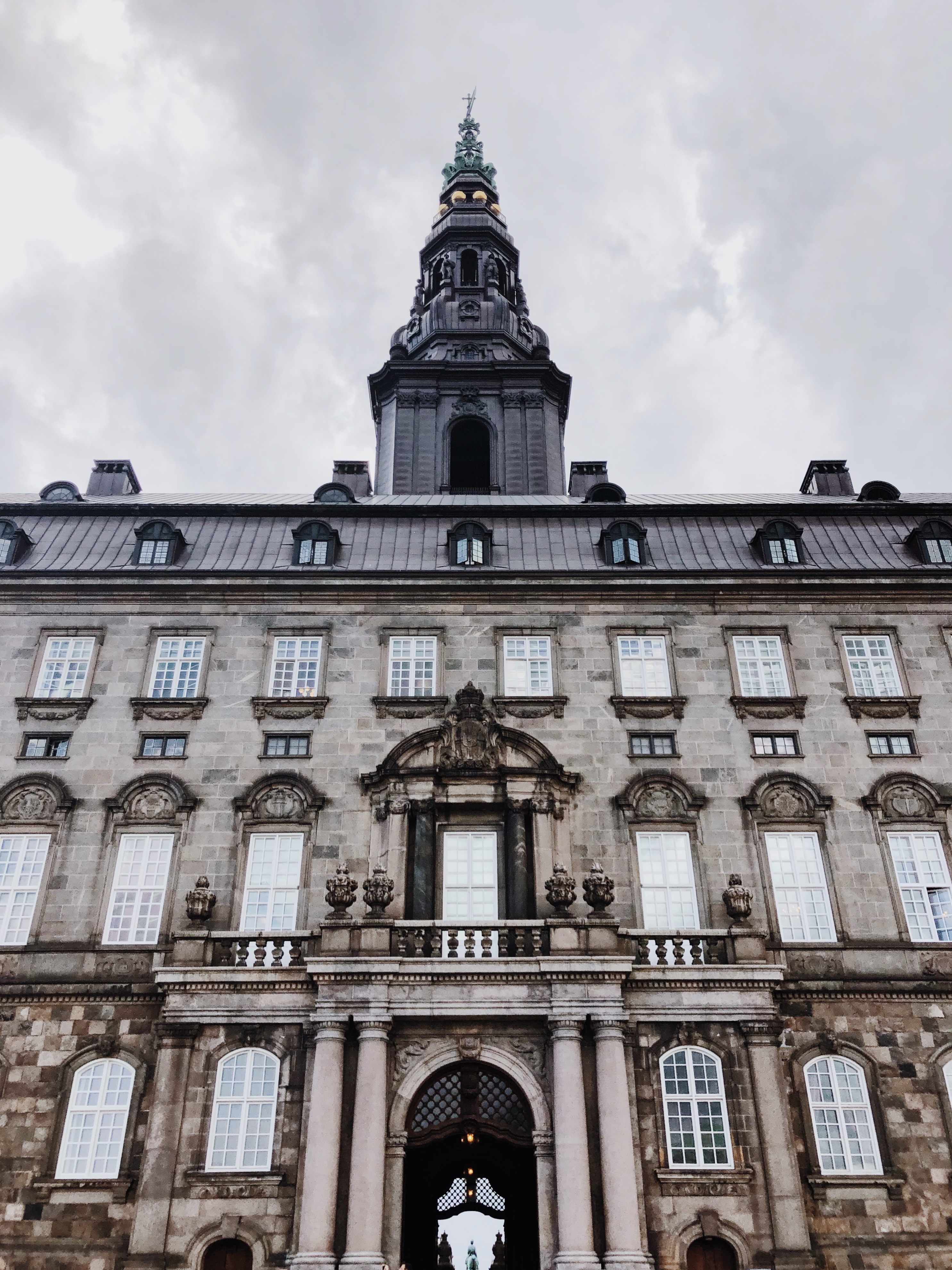
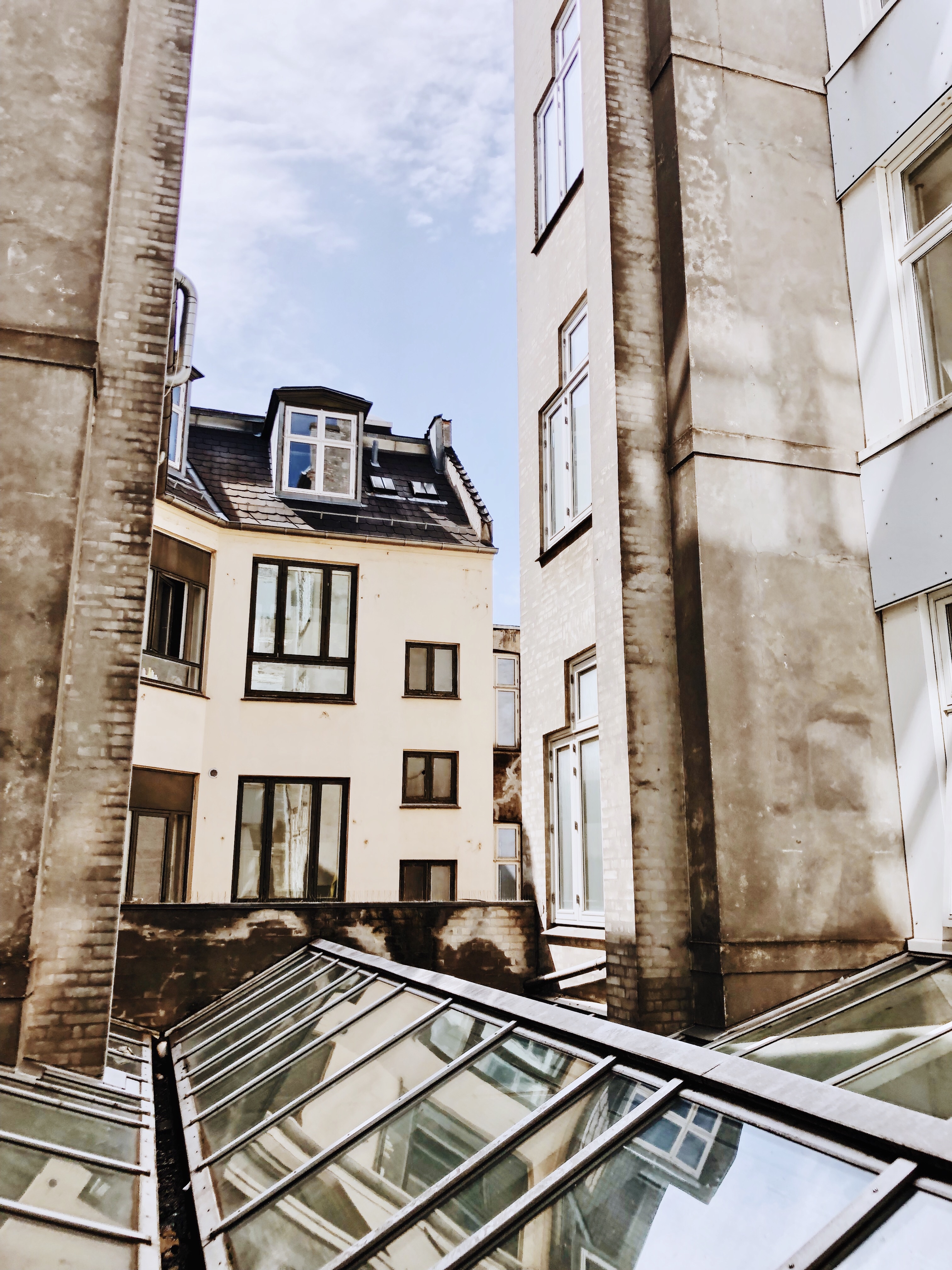
After my academic orientation at DIS, I took to the streets of Copenhagen to explore Strøget, one of the worlds longest pedestrain streets. This corner building is a testament to the quirky, almost nautical aesthetic of the road; especially because there are no cars, the colorful, eccentric soul of Copenhagen really takes over these few blocks.I was first drawn to this building because the fun roof, but when I looked closer I saw the sign in the middle: “Anno 1675”, meaning that this building was constructed just fifteen years after Denmark became a hereditary monarchy under Frederick III. One of my favorite parts of Copenhagen’s infrastructure is the a staggering amount of history that it houses, particularly in the way that it humbly presents itself seamlessly intertwined with the modern architecture.After eating the best gelato of our lives, my friends and I stumbled upon Christiansborg, a palace in Central Copenhagen that holds the Danish Parliament, the Danish Prime Minister, and the Supreme Court of Denmark. I was shocked to find a building of such grandeur and size in the core of the city, but there it was! The gardens in the courtyard offered a peaceful pause from the pace of the city that my friends and I gratefully took advantage of (until about 2 P.M. when the sky opened up and drenched the whole city in seconds)!I took this outside of a DIS academic building to capture the scale of the city: in the heart of Copenhagen the buildings are carefully packed together like legos, and although the city is physically dense, emotionally it feels cozy and comfortable. When i saw this scene it felt like I had discovered a new corner of the city meant just for me.
 240 Days in Denmark